
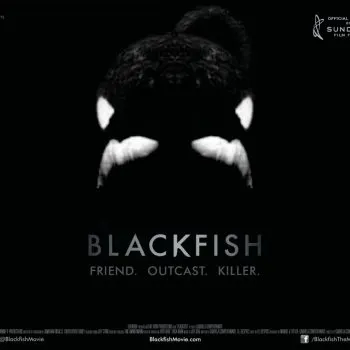
 In January 2013, the documentary Blackfish premiered at the Sundance Film Festival, telling the story of Tilikum, a performing killer whale that killed several people in captivity at SeaWorld. A little more than three years later, SeaWorld announced on March 17, 2016 that it would officially end its orca breeding program and end orca shows at all of its theme parks. This announcement, as well as a $25.4 million loss sustained by SeaWorld was the direct result of the sustained activism and media attention brought on by Blackfish.
The major contribution of grassroots infrastructure to the Blackfish movement came from PETA (People for the Ethical Treatment of Animals). PETA had targeted SeaWorld as early as 1998, and after the film’s premieres, donations to PETA rose significantly, enabling the group to continue to finance grassroots and media efforts that increased PR momentum against SeaWorld. Blackfish was a well-produced story that was leveraged to the fullest by an existing infrastructure of social change.
Blackfish, like A Voice for Lil Olive, is also supported by celebrities who have shared their endorsements on social media. This has enabled the audience to further expand beyond the animal welfare community.
Following the Sundance premiere, Blackfish was licensed to Magnolia Pictures and CNN Films, not only for a theatrical run, but for TV distribution. CNN executed a massive publicity strategy prior to the network documentary debut by using its news platform to air stories about orcas in captivity. It also published an interview with a SeaWorld spokesperson that generated increased viewer anticipation.
CNN was rewarded with this strategy, achieving a ratings sweep on the Oct. 23, 2013, premiere date; according to The New York Times,
The channel swept ratings among every group under 55 years old. That meant not only the group that is most often sold to news advertisers, viewers ages 25 to 54, but also the younger age groups used for sales in entertainment programming.
After the CNN premiere, the network continued to provide coverage of the story by illustrating multiple sides of the issue.
Blackfish was released to Netflix in December 2013, which enabled the film to leverage the publicity and buzz that had already been generated by the media in each prior distribution phase (“Anatomy of ‘The Blackfish Effect,’” Huffington Post, March 26, 2016).
A Voice for Lil Olive, like Blackfish, will contain a call to action within its storyline and drive the point home in an emotional way. It will educate the public about how the puppy mill industry is currently supported, and about the importance of the mantra, “adopt don’t shop.” A Voice for Lil Olive has the potential to take the same path as Blackfish and end puppy mills forever, especially given the celebrity support that is already in place for this film.